Family Dynamics in Island Living:
- familitapuaki
- Apr 27
- 7 min read
Updated: May 25
Hui, Aloha, Malo e lelei, Bula, Talofa, Kia ora, Hallo and Hello!.
Island living provides a distinctive backdrop for family dynamics, combining the beauty of nature with the intricacies of cultures and relationships. In any island nation, there's much to learn from nature beyond her beauty. Whether you are kamaʻāina (native) or a malihini (non-native), understanding how to navigate family life in this environment will not only enhance your family relationships but also strengthen the bonds between you, your family, and your community. This post will not only delve into the various aspects of family dynamics in island living, offering practical insights and examples to help you thrive. It will also be my casual introduction. So here we go!
Let me introduce myself. I am Mele (Mary) from Maui, Hawaii, a single mother to three children: Melevea, Manu, and Malia. Here are five things about me: I love the Lord and cherish my family! I enjoy all aspects of communication, such as reading, writing, and listening. I'm naturally a prepper, and I have albinism. My hope is always rooted in the Lord! I've been told I'm overly hopeful, but that's because my faith, hope, and trust aren't in myself (which would be a hopeless situation). I can face today with grace and mercy. Family and the love it brings have always been what I adore and what gives me purpose. I feel that without God or my family, I lose a part of my identity. For as long as I can remember, I've been observant, always striving to learn and prepare for any situation, which ties into communication and prepping, partly due to my albinism. I'm sensitive to light and how it affects my eyes, so seeing in bright sunlight is challenging (I sometimes prepare days in advance if I know I'll be outdoors for a while). Communication is crucial because I've had to advocate for myself in many situations where there was a lack of understanding about how albinism works or affects me. Because I have albinism, I've often felt like I had to approach things as an underdog, which I don't like to admit. I've always needed to do extensive analysis and preparation for everything (which is why I prefer not to rush). As a result, it has taken years for this blog to come to life. My outlook on life is 'Ofa it up, Love it up no matter what the day may bring. Heavenly Father saw my past and loves me through it; He holds my future and guides me into it, and has grace and mercy on me to be beside me going through it, and when the rough gets going, carries me above it all.
So when I write, it's coming from my years of experience or situations that have happened that prompted me to learn, which I share with you.
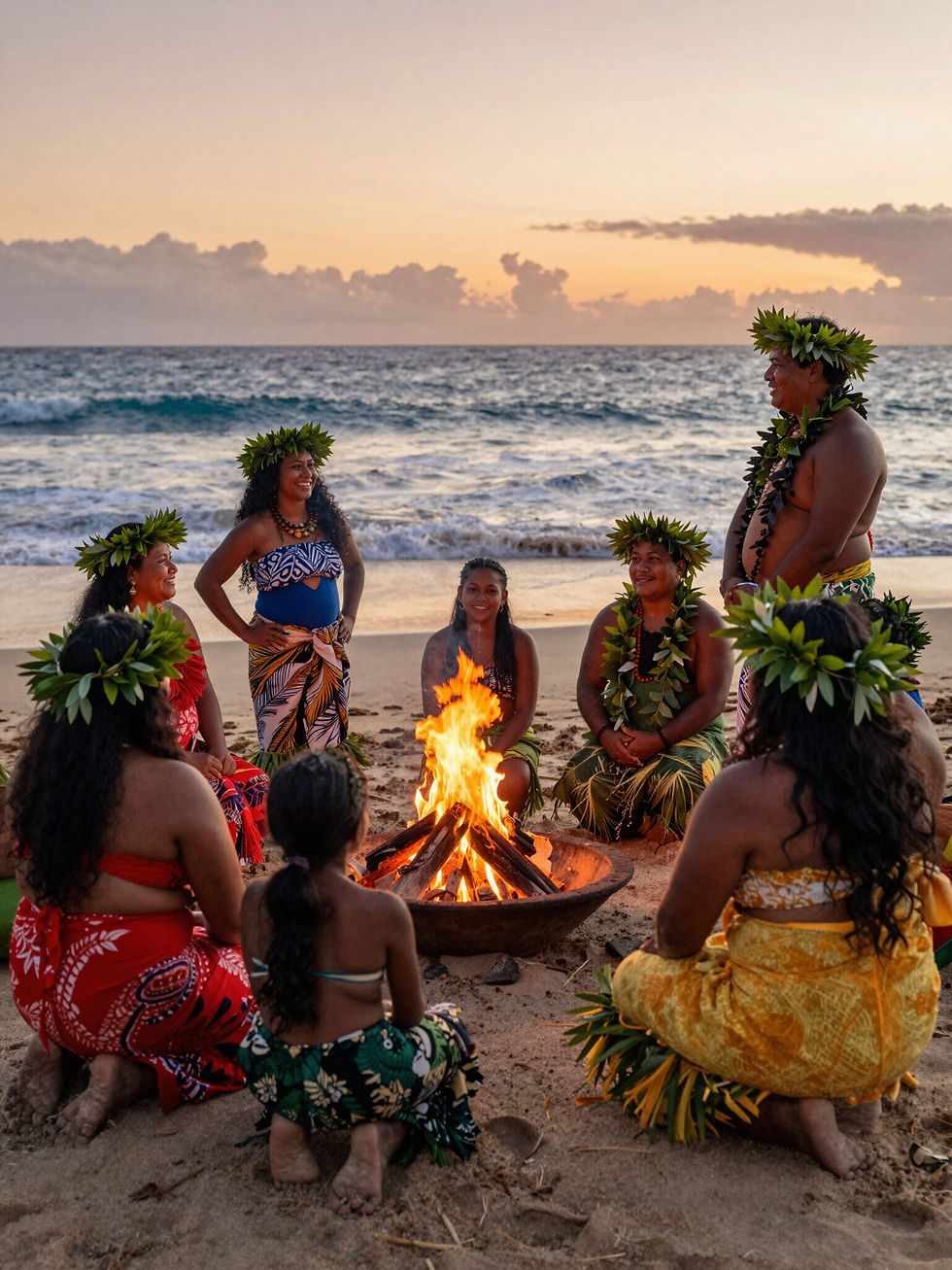
Ua mau ke ea o ka 'aina i ka pono - The life of the land is perpetuated in righteousness.
We trust not just in ourselves but in our creator! This is Hawaii's state motto. It reflects the idea that the "ea" (sovereignty/life/breath) of the land is maintained through "pono" (righteousness, justice, and proper stewardship). This reminds me that my Heavenly Father wants me to live a good life so that my Aloha / 'Ofa will carry over into proper stewardship, not just of land but of my family.
The Unique Aspects of Island Living
Living on an island can be a double-edged sword, jus' sayin'. The stunning landscapes and close-knit communities often create a sense of belonging, but they can also present challenges. Here are some unique aspects to consider:
Community Engagement
Island communities tend to be smaller and more interconnected. This can foster a strong sense of belonging, but it also means that the community often influences family dynamics. "It takes a village."
Support Systems: Ohana often rely on each other for support, whether it's childcare, eldercare, emotional support, or sharing resources. Everybody knows everybody! We're all interconnected somehow. It isn't uncommon to hear phrases like "Yeah, I know her! That's my Mom's, auntie's cousin through her father's side, but she's not our direct family, but she's my auntie anyway!" aka extended support systems.
Social Events: Community events, such as festivals or beach clean-ups, provide opportunities for families to bond and engage with one another. It's important to support community events as much as possible. Events help grow bonds and let people see who you are.
Limited Resources
Although living on an island has its advantages, convenient access to resources is not among them. This can influence family dynamics in various ways. Hawaii's shipping industry is crucial to the state, with more than 80% of all goods arriving by sea. The industry is primarily focused on incoming shipments, averaging 12.4 million tons per year, and consistently involves large volumes of food, fuel, and construction materials from the U.S. mainland.
Resources: In Hawaii, several things can affect our receiving the inbound shipments. A natural disaster, a strike, or heavy winds and strong currents. The key to living a more mindful and restful life here is becoming self-sustaining. Starting a family garden.
Education: Schools may have fewer resources, which can impact children's learning experiences. Here's where getting to know people and talking story to learn how their knowledge can help your family is beneficial.
Healthcare: Access to healthcare services may be limited, requiring families to travel to O'ahu or the mainland for specialized care. I know this one, I've had to do this for my 9-year-old daughter Malia.
Nature's Influence
People move to Maui / Hawaii because of its beauty, and they raise families here and stay permanently because of the role in family life on the island. Taking your children to the beach daily, walking through lavender, pumpkin, and strawberry patches. Seeing the old pineapple and sugarcane fields.
Outdoor Activities: Families can engage in activities like hiking, snorkeling, or fishing, which promote togetherness.
Connection to Nature: Living close to nature can instill a sense of kuleana responsibility in children, teaching them to appreciate and care for their environment.
Navigating Family Relationships
Understanding ohana (family) dynamics is crucial for fostering healthy relationships. Here are some strategies to navigate these dynamics effectively:
Communication is Key
Wala'au - Open and honest communication is essential in any family, but it becomes even more critical in a close-knit island community.
Regular Family Meetings: Set aside time for family discussions to address any concerns or celebrate achievements.
Active Listening: Encourage each family member to express their thoughts and feelings without judgment.
Embrace Flexibility
Island living can be unpredictable, with weather changes and community events affecting daily life. Embracing flexibility can help families adapt to these changes.
Plan for the Unexpected: Have backup plans for family outings or activities in case of sudden weather changes.
Be Open to New Experiences: Encourage family members to try new activities or engage with different community members.
Foster Independence
While family support is vital, fostering independence in children is equally important. This balance can help children develop confidence and resilience.
Encourage Exploration: Allow children to explore their surroundings safely, fostering a sense of adventure.
Teach Responsibility: Assign age-appropriate chores to instill a sense of responsibility and teamwork.
The Role of Traditions
Traditions can strengthen family bonds and create lasting memories. In island living, these traditions may be influenced by cultural heritage and the natural environment.
Celebrating Local Festivals
Participating in local festivals can be a great way for families to bond and connect with their community.
Cultural Events: Attend events that celebrate local culture, such as music festivals or food fairs.
Family Participation: Encourage family members to participate in planning and executing these events, fostering teamwork and creativity.
Creating Family Rituals
Establishing family rituals can provide a sense of stability and continuity.
Weekly Family Nights: Dedicate one night a week for family activities, such as game nights or movie nights.
Nature Walks: Make it a tradition to explore different natural areas on the island together.
Challenges of Island Living
While island living offers many benefits, it also comes with challenges that can affect family dynamics.
Isolation
Living on an island can sometimes lead to feelings of isolation, especially for families with young children or teenagers.
Stay Connected: Use technology to stay in touch with friends and family on the mainland.
Join Community Groups: Engage in local clubs or organizations to meet new people and expand your social circle.
Economic Factors
Economic challenges can also impact family dynamics, especially in areas where job opportunities are limited.
Budgeting: Create a family budget to manage expenses effectively.
Explore Local Opportunities: Look for local job opportunities or entrepreneurial ventures that can support the family financially.
Building Strong Family Bonds
Strengthening family bonds is essential for a harmonious home life. Here are some practical tips to help families connect:
Quality Time
Spending quality time together is crucial for building strong relationships.
Plan Family Outings: Organize regular outings to explore the island, such as beach days or hiking trips.
Cook Together: Involve family members in meal preparation, turning cooking into a fun and collaborative activity.
Encourage Open Dialogue
Creating an environment where family members feel comfortable expressing themselves is vital.
Check-In Regularly: Make it a habit to ask family members about their day and feelings.
Create a Safe Space: Ensure that everyone feels safe to share their thoughts without fear of judgment.
Conclusion
Family dynamics in island living can be both rewarding and challenging. By understanding the unique aspects of island life and implementing effective strategies for communication, flexibility, and bonding, families can thrive in this beautiful setting. Embrace the opportunities for connection, explore the natural surroundings, and create lasting memories together. Remember, the key to a harmonious family life lies in nurturing relationships and fostering a sense of community.
As you navigate your family dynamics, consider how you can engage with your community and create traditions that reflect your unique island living experience.
To live is to 'Ofa (Love) it up! Be safe, be aware, and be prepared for yourself and your family!
💖 ~Ya Sistah Melz


Comments